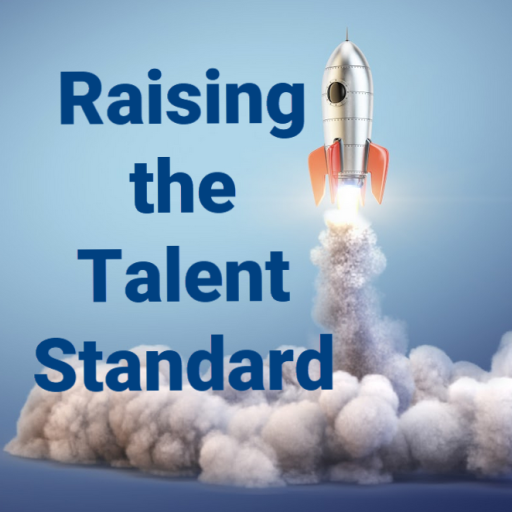
Rebuilding the A Game. Why We Must Raise the Talent Standard
By Cherie Shepard
SINCE THE PANDEMIC, I’ve had more and more conversations with leaders across various industries who are telling me the same thing: “We need to raise the level of talent in our organization.” It’s not a passing complaint – it’s a strategic concern.
Many companies, including our own, are seeing it firsthand. Expectations have softened. Urgency has faded. Professionalism, grit and follow through, the things that used to define a high-performing team, are becoming harder to find. And as the stakes in our industry grow, the cost of mediocrity is getting steeper.
The Talent Gap Isn’t Just
Technical – It’s Behavioral
For years, the focus has been on technical gaps: specialized skills, certifications and domain expertise. But what’s emerging now is a different kind of gap: a behavioral one. We’re seeing employees who don’t follow through, managers who can’t handle pressure and teams who meet deadlines but miss the bigger picture. Talent is showing up without the sense of accountability and urgency that today’s business landscape demands.
The numbers back it up. According to the U.S. Bureau of Labor Statistics, turnover in warehousing and storage roles has remained consistently high since 2020, peaking at 49.4% in 2022 and remaining above pre-pandemic norms through 2023 (BLS, 2023). Hiring remains a challenge, but it’s not just about filling seats anymore – it’s about raising the bar for the people already on the team. In high-velocity environments where systems must run 24/7 and customers expect immediate response, there’s simply no room for average performance.
The truth is, we’ve let the standard slip. COVID disrupted routines, rewired expectations and changed how people think about work. But now, as organizations scale, compete and innovate, it’s time to reset. We can’t continue pushing for better results without demanding more consistency and accountability from our people.
Your Systems Are Only as Good
as the People Behind Them
Raising the bar doesn’t mean micromanaging or being unrealistic. It means being clear and unapologetic about what good looks like. It means hiring not just for skill, but for grit. It means coaching teams on how to take ownership, show up with energy and care deeply about execution. And it means holding leaders accountable for modeling and reinforcing those standards every day.
It starts at the hiring stage. Too often, we focus entirely on technical qualifications or past job titles, when what we really need are people who show initiative, take feedback and perform under pressure. We need to ask better interview questions – ones that reveal mindset, not just skill sets.
Once people are in the door, onboarding needs to do more than teach processes. It should introduce culture. From day one, teams should understand what excellence looks like, how to own outcomes and why their role matters. We need to reintroduce professional pride and make it part of the daily conversation, not just something we talk about at review time.
Leaders, in particular, have a responsibility to protect the culture. If someone isn’t performing, don’t wait. Address it quickly and clearly. Every time we let a missed deadline slide or ignore a disengaged team member, we reinforce the wrong message. Silence becomes acceptance. Over time, that becomes your culture, and you don’t always get to choose when it breaks down.
Regardless of your industry, the challenges are converging: tighter labor markets, rising customer expectations and accelerated transformation. The work is getting more complex, and the pressure to deliver is higher than ever. But none of that progress matters if the people behind it aren’t fully engaged. Culture isn’t a soft topic. It’s a business critical asset.
The companies that win over the next decade won’t just be the ones with the most advanced tools or strategies. They’ll be the ones with the best people, driven by the highest standards. So now is the time to take a hard look at your team, hiring practices and leadership culture.
Are you holding the line on excellence? Or are you quietly settling for “good enough?”
Because in this industry, “good enough” rarely is.
About the Author
Cherie Shepard, managing partner and practice leader at Direct Recruiters International (DRI), brings over 17 years of experience in the packaging, material handling and food processing industries. Cherie founded the DRI Women’s Group in 2013, helping grow the company to nearly 50% women today.
Article Takeaways
- Behavioral Gaps Are the New Talent Challenge. Post-pandemic performance issues are increasingly behavioral, with a growing need to restore urgency, accountability and grit in the workplace.
- Hiring for Mindset, Not Just Skillset. Companies must hire for mindset as much as skill, prioritizing initiative, resilience and ownership from the interview through onboarding.
- Culture is a Business-critical Asset. A strong, accountable culture is a business necessity. Allowing mediocrity to slide quietly redefines the standard.