Stricter codes are complicating permits for warehouse storage systems.
Learn the value of expert navigation of increasingly complex permitting processes.
By Amanda Torrence
IMAGINE THIS: YOUR sales team closes a major warehouse racking deal, the install is lined up, and excitement is high—until the permit submission hits a wall. The jurisdiction has adopted some new building codes in 2026 and, suddenly, costly redesigns, sprinkler retrofits and seismic re-engineering threaten timelines, budgets, and customer trust.
Securing building and fire permits for commercial storage systems has long been part of the material handling process, but recent code changes are creating bigger challenges for sales teams—and often much earlier in the project than before. What used to be straightforward approvals now frequently involve seismic updates, high-pile storage analyses, sprinkler reviews, and stricter installer licensing requirements, catching many projects off guard and adding unexpected costs or delays.
Changes Creating Challenges
Requiring building or fire permits for the design and installation of commercial storage systems is nothing new in the material handling industry. However, several emerging trends are creating significant challenges for sales teams—often before a project even begins—if not addressed early.
Recognizing this growing need for expert navigation of the permitting process, Rebecca Butao founded About The Rack, a specialized firm dedicated to managing permit applications and interfacing with local jurisdictions, including building officials, plans reviewers, inspectors, and fire marshals. Drawing on her extensive background in high-pile storage and her ability to simplify complex regulations, Butao has built a strong reputation for turning potential pitfalls into clear, actionable plans. Her mission is straightforward: “Let’s educate people on how to design around known project pitfalls. Being code compliant is the cheapest insurance money can buy, but with codes constantly evolving, it can be tricky to know if you truly are compliant.”
Code adoptions typically occur at the start of a new year, but rarely do they carry the substantial impact that is now being seen.
Evolution of the International Building Code
A key driver of these challenges is the 2024 International Building Code (IBC), which reorganized Chapter 22 (Steel) to explicitly address industrial steel storage racks, shelving systems, platforms and related components. It introduced dedicated sections for industrial boltless steel shelving, industrial steel work platforms, stairs, ladders and more. These updates clearly define and regulate racking systems, reducing the variability in local interpretations that was common when coverage was often indirect or implied.
The code now provides greater clarity through dedicated sections and updated references. For example, ANSI MH16.1-2023 (Design, Testing, and Utilization of Industrial Steel Storage Racks) revised its seismic provisions to align with ASCE/SEI 7-2022, incorporating new methods for obtaining seismic data and response coefficients and demanding more rigorous requirements for anchoring rack uprights to the floor to resist lateral/seismic loads.
Bracing (horizontal and diagonal) and stiffer beam-to-column connections in racking systems are needed in higher seismic situations. Clearer requirements for load capacity labels, documentation, and inspection of rack systems are also outlined.
For detailed insights into these code changes, consult a licensed professional engineer (PE) or high-pile storage consultant.
More Changes in More Municipalities
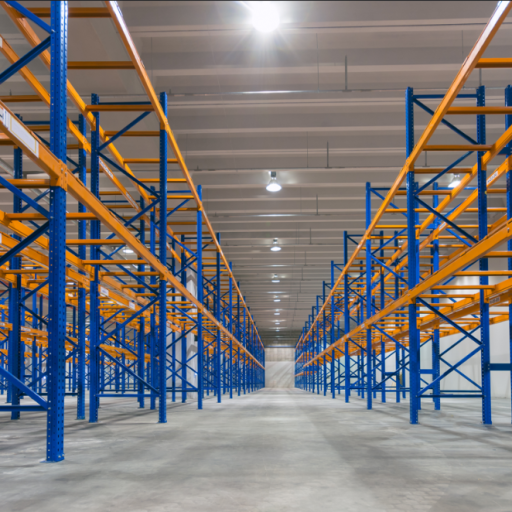
About The Rack is also observing a broader trend: more municipalities now require both building and fire permits to include high-pile storage analysis. This increased scrutiny on fire codes emphasizes verifying that overhead sprinkler systems adequately protect the stored commodities. If deficiencies are found, modifications to sprinklers can add significant costs for the end user. Butao notes, “This is why we encourage clients to evaluate these factors early—so they can develop compliant options with their customers before submitting permits and risking denial for non-compliance.”
Another emerging requirement in some jurisdictions: rack installers must hold a valid state contractor’s license.
“We support sales teams by verifying local licensing rules upfront. This helps secure accurate installation quotes and prevents permit rejections due to unlicensed contractors. We’ve seen cases where installers faced license issues after work began without confirmed permits from the distributor or end user,” says Butao.
As a team specializing in permitting assistance for distributors, Butao stresses the heightened risks of outdated sales approaches—such as relying solely on static capacity charts or reusing existing racking without site specific engineering review. Under these updated codes, the chance of a system failing to meet requirements or gain approval is greater than ever.
The Key Takeaway: Proactive Compliance Is Essential
Customers see sales representatives as rack system experts and that expertise must now include understanding regulations and involving the right partners early to avoid surprises:
- Licensed engineers to verify structural and seismic details, including anchoring and bracing.
- Fire protection specialists for sprinkler and high-pile reviews.
- Licensed installers familiar with local rules.
- Permit experts, such as About The Rack, to prepare robust submissions and liaise effectively with officials.
Failing to address codes and jurisdictional requirements from the outset may result in permit rejections, costly redesigns, retrofits or even post-installation denials, which can damage customer relationships and business momentum. Customers rely on sales teams to guide them toward compliant solutions, which often means partnering with licensed PEs, high pile consultants, installers, and permit specialists.
In an industry where warehouses continue to grow taller and denser, these evolving requirements ultimately enhance safety and reliability for all stakeholders. Distributors who adapt proactively position themselves as trusted partners, guiding customers through compliance rather than reacting to obstacles.